
What Are Zahedi Dates? A Complete Guide to Zahedi (Qasab) Dates from Farashband
A complete guide to Zahedi, also known locally as Qasab dates from Farashband, covering their characteristics, harvest season, sorting, storage, pricing, export potential, and key points for wholesale buyers.
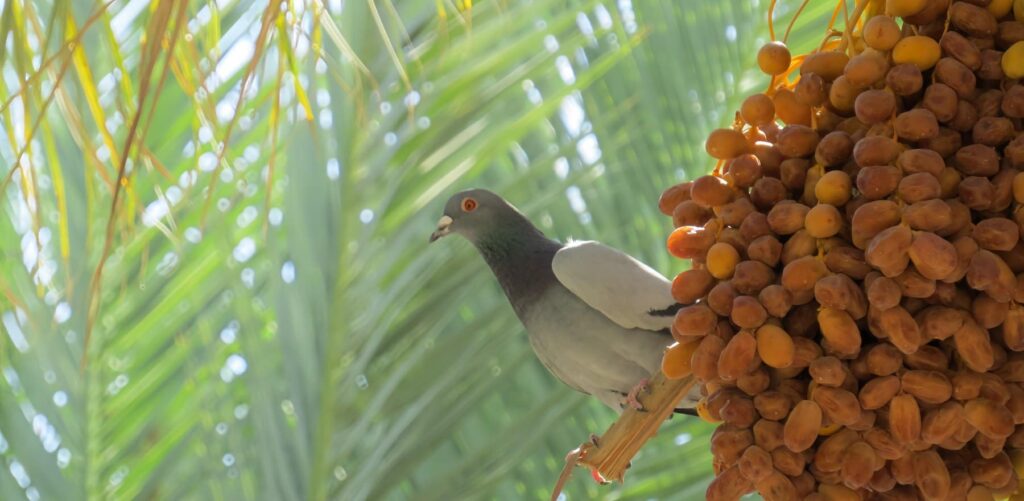
What Are Zahedi Dates?
Zahedi dates are one of Iran’s best-known semi-dry date varieties. They may not look as soft or glossy as some premium fresh dates, but when it comes to wholesale trade, storage, transportation, and export, their practical qualities make them highly valuable.
In Farashband, Fars Province, Zahedi dates are also widely known as Qasab dates. For many local growers, Qasab is more than an agricultural product; it has long been part of the local economy and date-growing tradition.
The main product of Habib Dates is Zahedi, or Qasab, dates from Farashband. After harvest, the dates are inspected, sorted, graded, packed, and prepared for wholesale and export markets.
But what exactly are Zahedi dates? How are they different from other varieties, why are they suitable for bulk trade, and what should buyers check before placing an order?
This guide answers these questions in a practical and straightforward way.
What Makes Zahedi Dates Different?
Zahedi is a semi-dry date variety grown in several regions of southern Iran. The fruit is generally elongated or oval, with colors ranging from golden yellow to light brown depending on ripeness, climate, and growing conditions.
One of its most important characteristics is its lower moisture level and firmer texture compared with soft dates.
This makes Zahedi dates easier to store, pack in bulk, and transport over long distances.
However, not all Zahedi dates have the same quality. Fruit size, color consistency, ripeness, appearance, and sorting standards can significantly affect the final quality of a shipment.
For product specifications, visit our Premium Zahedi Dates page.
Are Zahedi and Qasab Dates the Same?
One of the most common questions from buyers is whether Qasab dates are different from Zahedi dates.
In Farashband and some other parts of southern Iran, Zahedi dates are locally known as Qasab.
For this reason, local traders may use the word Qasab, while buyers from other parts of Iran or international markets may know the same variety as Zahedi Dates.
For wholesale purchases, however, the name alone should never be the only reference. Buyers should also check samples, size, grade, color, sorting quality, and shipment specifications.
Characteristics of Farashband Zahedi Dates
Growing conditions have a direct impact on date quality. Temperature, water supply, palm health, harvest timing, and seasonal conditions all influence the final product.
Farashband Zahedi dates are generally known for their semi-dry texture, elongated shape, golden-yellow to light-brown color, natural sweetness, good storage characteristics, and suitability for bulk packaging and export.
Naturally, dates harvested from different orchards are not completely identical.
A commercial shipment should therefore be sorted and inspected to achieve the level of consistency expected by the buyer.
Why Are Zahedi Dates Semi-Dry?
Different date varieties contain different amounts of moisture.
Some varieties are very soft and moist. Zahedi, by comparison, generally contains less moisture and has a firmer texture.
This is a natural characteristic of the variety and should not be confused with poor quality.
In fact, the firmer and semi-dry texture can be a major advantage in wholesale trade because the product generally handles transportation and storage better than highly moist varieties.
For an importer moving several tons of dates over hundreds or thousands of kilometers, this can be an important practical advantage.
Zahedi Date Harvest Season
The exact harvest time is not identical every year.
Temperature, irrigation, palm condition, regional weather, and the ripening process can move the harvest slightly earlier or later.
Growers usually begin harvesting once the fruit reaches the appropriate stage of maturity.
For commercial products, however, harvesting is only the beginning.
The dates must then be inspected and prepared. Naturally harvested fruit may vary in size, color, or appearance, which is why sorting becomes essential.
Why Is Sorting Important?
Small differences in size may not matter when purchasing a few kilograms for personal use. In a multi-ton shipment, however, consistency becomes much more important.
Imagine an importer receiving cartons containing a random mixture of very large, medium, small, light, and dark dates.
Even if the product is edible, such inconsistency can make repacking and resale more difficult.
During the sorting process, dates are inspected and separated according to factors such as size, appearance, condition, and overall quality.
At Habib Dates, sorting is an important step in preparing Zahedi dates for wholesale customers.
What Are Export-Grade Zahedi Dates?
The term “export-grade Zahedi dates” does not refer to a separate date variety.
It mainly describes dates that have been selected, sorted, and packed according to the requirements of the destination market.
Different customers may require different grades. One importer may prefer a highly uniform premium selection, while another may prioritize a more economical grade for wholesale distribution.
Packaging is equally important.
Export cartons must protect the dates during warehousing, loading, stacking, and transportation.
Habib Dates offers bulk packaging options including 7 kg and 10 kg cartons.
You can find more details on our Export Products page.
Why Are Zahedi Dates Suitable for Wholesale Buyers?
Wholesale buyers usually focus on practical questions.
Can the product withstand transport?
Can the required volume be supplied?
Is the quality consistent?
Is the packaging suitable?
Does the price match the required grade?
Zahedi dates perform well in many of these areas because of their semi-dry texture and their suitability for sorting and bulk packaging.
This is one of the reasons the variety has maintained an important place in Iran’s date trade.
For commercial inquiries, visit our Zahedi Dates Wholesale page.
What Determines the Price of Zahedi Dates?
There is no single permanent price for Zahedi dates.
Wholesale prices vary according to grade, fruit size, consistency, harvest season, order quantity, packaging type, preparation costs, market conditions, destination, and delivery terms.
Two shipments may both be described as Zahedi dates and still have different prices because their specifications are different.
For this reason, wholesale buyers should request a current quotation based on the exact product specifications they need.
How Should Zahedi Dates Be Stored?
The semi-dry nature of Zahedi dates does not mean storage conditions can be ignored.
Dates should be stored in a clean and suitable environment, away from contamination, excessive humidity, and direct sunlight.
Commercial warehouses should also pay attention to temperature, carton condition, stacking, cleanliness, and inventory rotation.
Proper storage helps preserve product quality after harvest.
Which Markets Are Suitable for Zahedi Dates?
Zahedi dates are not limited to a single market.
They can be used for wholesale distribution, repacking, retail supply, and other applications depending on grade and buyer requirements.
Markets across South Asia, neighboring countries, the Gulf region, Eurasia, and parts of Europe may offer opportunities for Iranian dates.
Successful export, however, depends on much more than the product itself. Packaging, documentation, logistics, pricing, consistency, and reliable supply all matter.
Habib Dates focuses on B2B cooperation with importers, wholesalers, and distributors.
Learn more about us on the About Habib Dates page.
What Should Wholesale Buyers Check Before Ordering?
For multi-ton purchases, price should never be the only consideration.
Buyers should confirm harvest year, grade, fruit size, consistency, packaging specifications, available quantity, destination, delivery terms, and—when possible—a representative product sample.
A sample can help reduce misunderstandings before a large order is finalized.
Farashband and Zahedi Dates
Farashband is one of the date-growing areas of Fars Province and has a long tradition of palm cultivation.
Zahedi, locally known as Qasab, is one of the region’s important date varieties.
For a supplier based close to the production area, understanding the product involves more than simply seeing finished cartons. It also comes from experience with growers, harvest seasons, sorting practices, and market requirements.
The story of Habib Dates grew from this environment—from the palm groves of Farashband and decades of date trading experience to a growing focus on international markets.
For more industry insights, visit Habib Dates News & Articles.
Conclusion
Zahedi, or Qasab, is one of Iran’s important semi-dry date varieties.
Its firm texture, good transport characteristics, suitability for sorting and grading, and strong position in the wholesale market have made it an important commercial date.
For professional buyers, however, buying “Zahedi dates” should never mean buying based on the name alone. Grade, size, harvest year, sorting, packaging, quantity, and delivery terms should all be clearly agreed upon.
Habib Dates focuses on supplying Farashband Zahedi dates for wholesale and export orders.
For specifications and commercial inquiries, visit Premium Zahedi Dates by Habib Dates.
Frequently Asked Questions
What are Zahedi dates?
Zahedi is a semi-dry Iranian date variety known for its elongated shape, relatively firm texture, and golden-yellow to light-brown color.
Are Qasab and Zahedi dates the same?
In Farashband and some southern regions of Iran, Zahedi dates are commonly called Qasab.
Are Zahedi dates dry or soft?
They are generally classified as semi-dry and contain less moisture than many soft date varieties.
Are Zahedi dates suitable for export?
Yes. Their semi-dry texture, transportability, and suitability for bulk packaging make them attractive for export trade.
What determines the price?
Grade, size, quality, quantity, packaging, season, destination, and market conditions all affect wholesale pricing.